
Transforming Your Space: The Art of Color in Home Design
- Written by Sky Digital
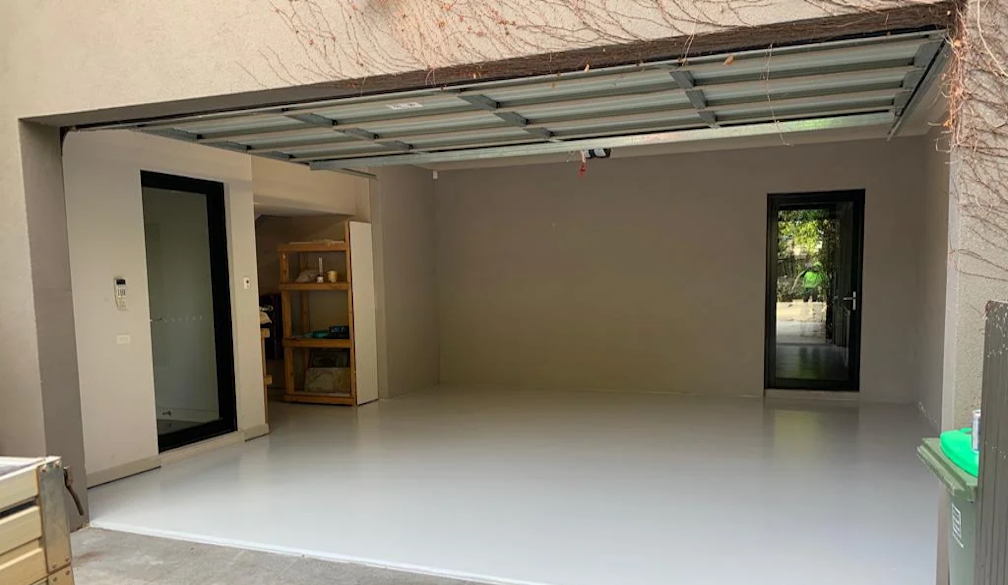
When it comes to home design, few elements have as powerful an impact as color. The shades you choose for your walls can influence not only the aesthetics of your space but also your mood and overall well-being. Whether you're moving into a new home, renovating your current space, or just looking to refresh a room, understanding the psychology of color can help you make informed decisions about your interior design.
In this article, we’ll explore the significance of color in home design, tips for selecting the right hues, and the transformative effect a fresh coat of paint can have. Plus, we'll discuss how professional help, like that of Melbourne Painters Solution, can elevate your project to the next level.
Understanding Color Psychology
Color psychology is the study of how different colors affect human emotions and behaviors. Certain shades can evoke feelings of calmness, energy, or even creativity. Here’s a brief overview of how some common colors impact our moods:
- Blue: Often associated with tranquility and calmness, blue is a popular choice for bedrooms and bathrooms. It can help create a serene environment conducive to relaxation and rest.
- Yellow: Bright and cheerful, yellow can energize a space and inspire feelings of happiness. It's a great choice for kitchens or playrooms, but too much yellow can be overwhelming, so use it as an accent.
- Green: Symbolizing nature and growth, green is versatile and refreshing. It can create a peaceful atmosphere and is perfect for living rooms or home offices.
- Red: A bold and passionate color, red can stimulate conversation and excitement. It’s best used in moderation, such as an accent wall in a dining room or a home bar.
- Neutrals: Whites, beiges, and grays provide a timeless backdrop for any room. They create a sense of spaciousness and can be paired with bolder colors for a dynamic look.
Choosing the Right Colors for Your Space
Selecting the right colors for your home can be a fun yet daunting task. Here are some tips to help you make the best choices:
- Consider Your Space: Take into account the size and layout of your rooms. Lighter colors can make a small space feel larger, while darker shades can create a cozy atmosphere.
- Lighting Matters: The way colors appear can change depending on the light in your space. Natural light can make colors look brighter, while artificial light may alter their hue. Test paint samples on your walls to see how they look throughout the day.
- Create a Cohesive Look: Choose a color palette that flows throughout your home. This doesn’t mean every room has to be the same color, but complementary shades can create a harmonious environment.
- Think About Functionality: Consider how you use each room. If you want a relaxing atmosphere in the bedroom, choose calming colors. For a vibrant and energetic kitchen, go for brighter shades.
- Test Before You Commit: Don’t rush your decision. Purchase small samples of paint and apply them to your walls. Observe how the colors change in different lighting throughout the day.
The Transformative Power of Paint
One of the easiest and most effective ways to change the look and feel of your home is through paint. A fresh coat can do wonders for your space, enhancing its appeal and making it feel new again. Here are some reasons to consider repainting:
- Update Your Style: Trends in home design evolve, and your paint colors can reflect your personal style. Whether you want a modern, minimalist look or a bold, eclectic vibe, the right paint can bring your vision to life.
- Increase Property Value: A well-maintained and aesthetically pleasing home can attract potential buyers. A fresh coat of paint is a cost-effective way to boost your home’s value and curb appeal.
- Mask Imperfections: Over time, walls can accumulate scuff marks, stains, and other imperfections. A new layer of paint can cover these flaws, rejuvenating your space and giving it a polished finish.
- Create an Inviting Atmosphere: The bright colors can make your home feel warm and inviting. Whether you’re entertaining guests or enjoying quiet evenings, the ambiance created by your chosen shades can enhance your experience.
Seeking Professional Help
While painting can be a DIY project, enlisting the help of professionals can save you time and ensure a high-quality finish. Experienced painters understand the nuances of color application and can offer valuable insights into the best techniques and materials for your specific needs.
Moreover, professionals can help you navigate the complexities of selecting colors, ensuring you achieve the desired look without the stress of trial and error. They can also assist with preparation work, such as patching holes and priming surfaces, leading to a smoother and more polished result.
The Final Touch: Accents and Decor
Once you’ve settled on your colors and had your walls painted, it’s time to think about accents and decor. Artwork, textiles, and furniture can all complement your chosen palette. Here are a few ideas:
- Artwork: Choose pieces that reflect your personal style and incorporate colors that resonate with your new paint. Art can serve as a focal point in a room, drawing attention and adding character.
- Textiles: Cushions, throws, and curtains can introduce texture and warmth to your space. Look for fabrics that tie in with your color scheme for a cohesive look.
- Furniture: Consider how your furniture complements your wall colors. Dark wood can provide a striking contrast against light walls, while light furniture can soften a darker color palette.
Conclusion
Color is a powerful tool in home design, capable of transforming space and influencing mood. Whether you’re looking to create a serene retreat, an energetic hub, or a timeless environment, understanding the psychology of color and the impact of paint can help you achieve your vision.
If you’re ready to elevate your home’s aesthetics with a fresh coat of paint, consider reaching out to professionals who can guide you through the process. Remember, a beautifully painted home is not just about color; it’s about creating a space that reflects your personality and enhances your quality of life. For those in search of expert services, check out Melbourne Painters Solution to get started on your next painting project.